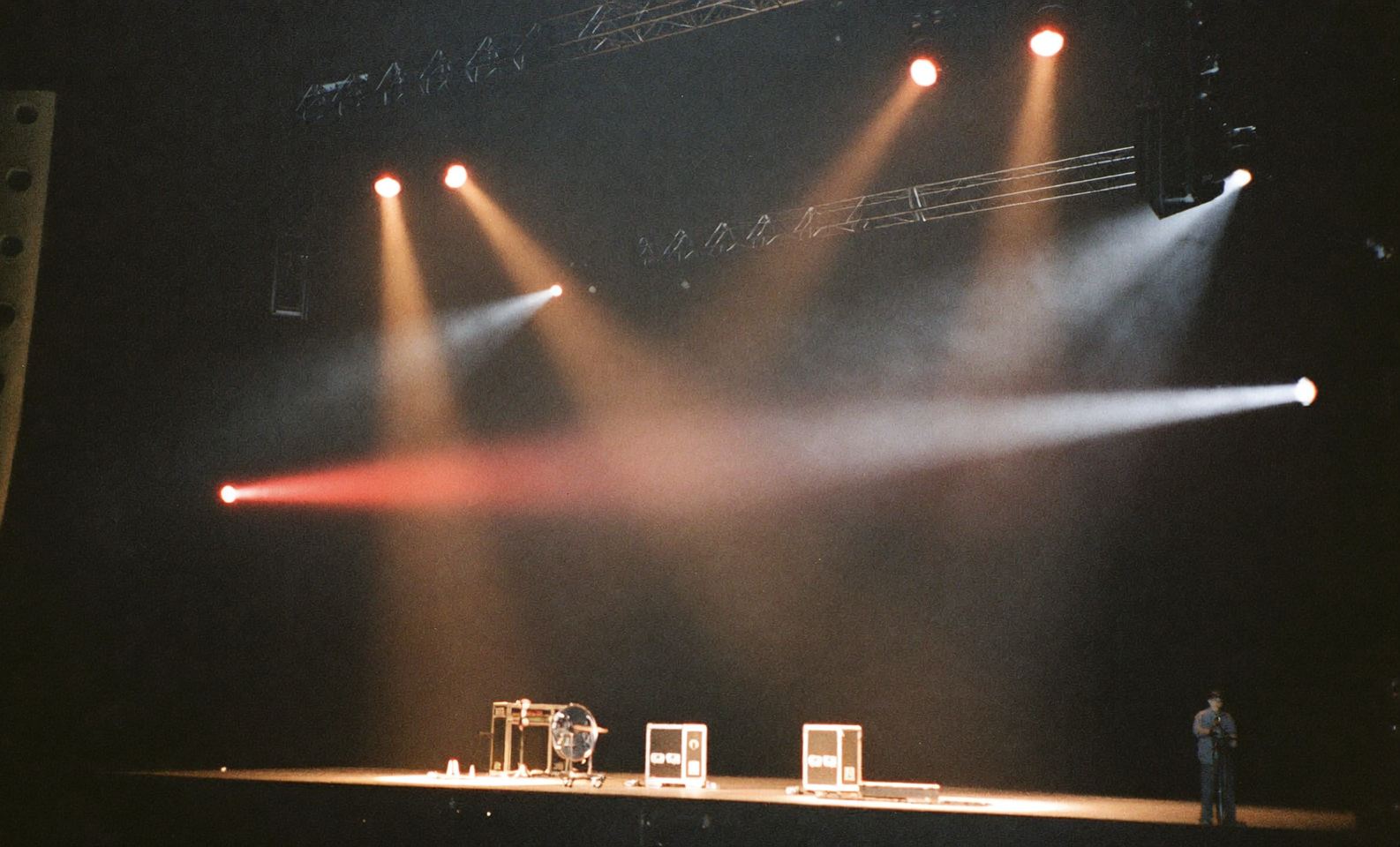
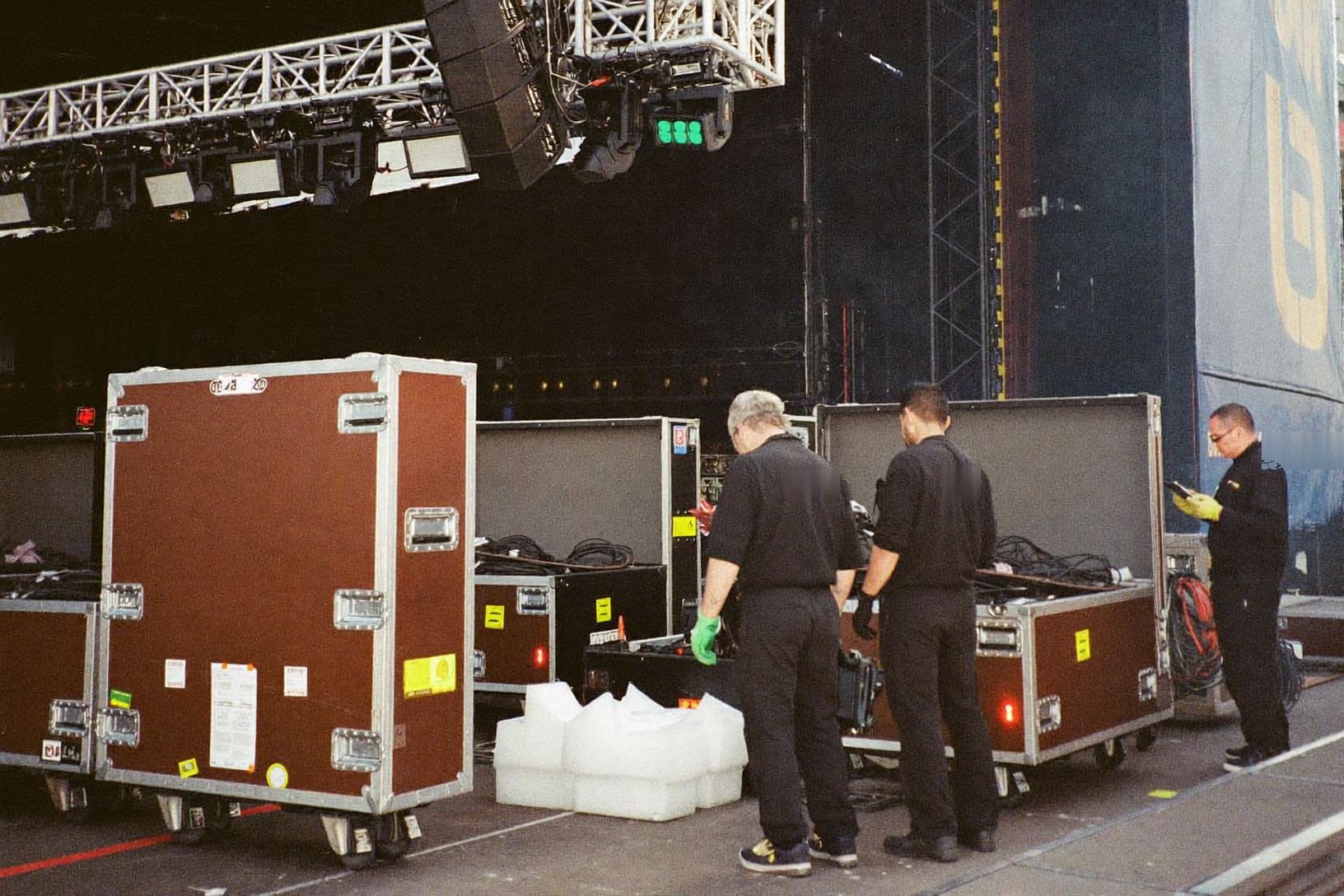
Empty concert stage during soundcheck: moving lights send amber and white beams through haze, flight cases stand on stage

Light and sound for live shows. Planned, built and run by one team.

Concerts, tours and festivals: we plan the technical side, set it up, run it during the show and take it down again. One contact, from the first briefing to the last case out.

Four short questions. We answer by email, with follow-up questions or a call proposal.

  • Lighting design
  • Sound reinforcement
  • Production planning
  • On-site technical support

Sample image, AI-generated

What we take off your production team

Light and sound are not two separate orders. They are planned as one show, by the people who will run it.

  • Lighting

    Light design and light production. We develop the looks with the artist's creative team, program them in the room and run them during the show.

    • Light design with your creative team
    • Production and programming in the room
    • Operation during the show
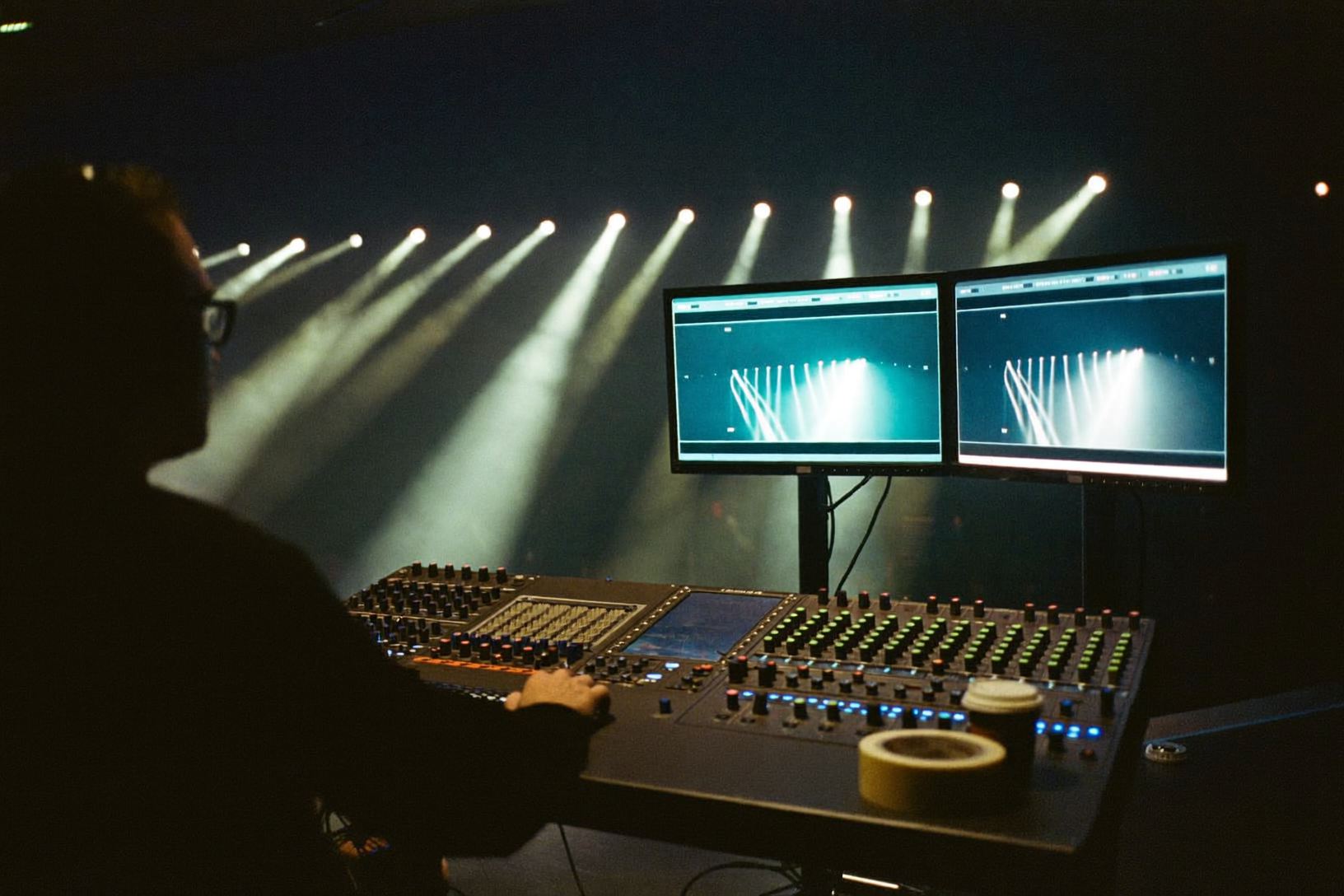
    A lighting programmer at the console in a dark hall, two monitors, beams crossing haze behind
    Sample image
  • Sound

    Sound reinforcement and audio engineering. A system concept for the room or the field, set up and tuned at the soundcheck, with technical support through the show.

    • System concept for the venue
    • Set-up and soundcheck
    • Technical support during the show
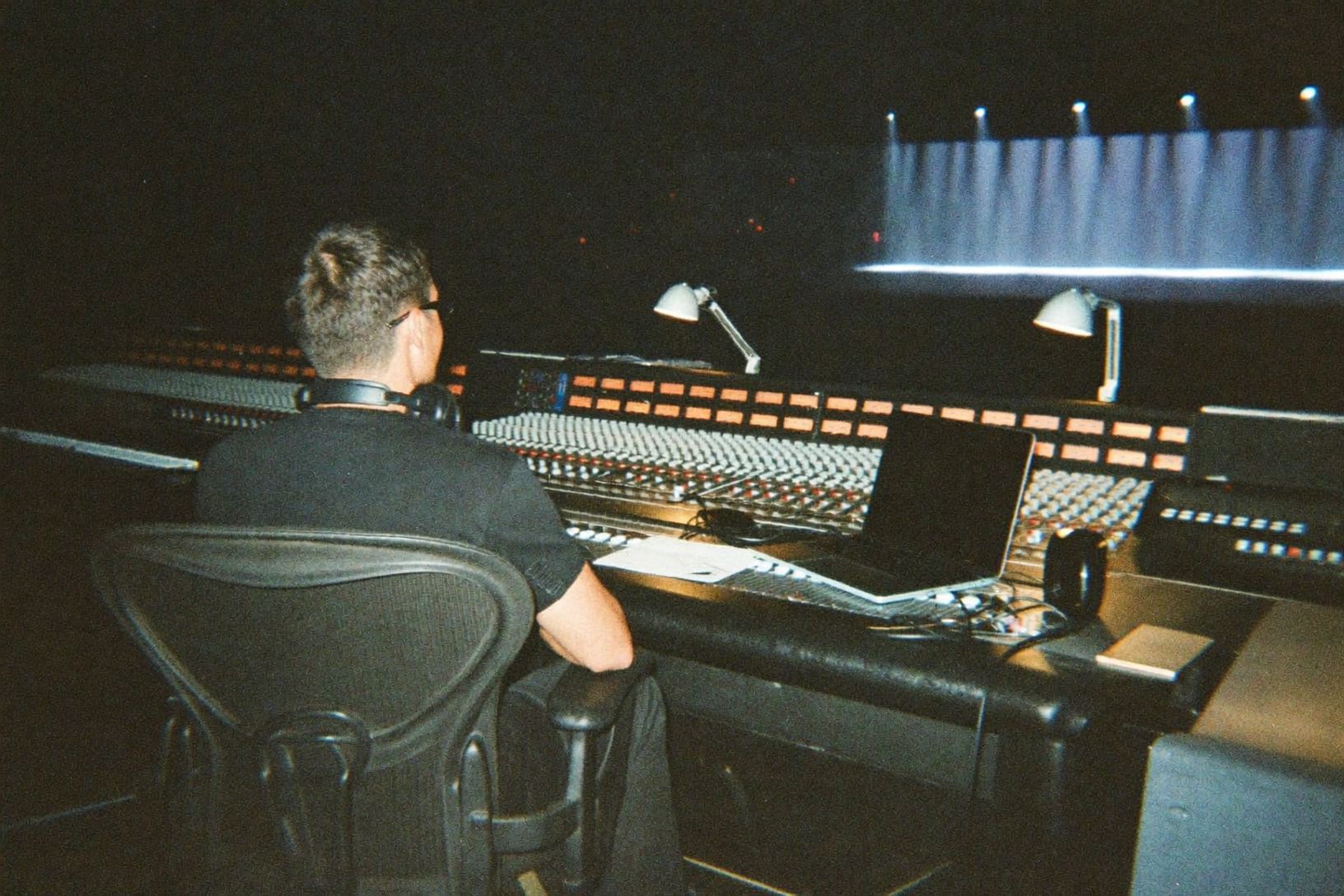
    A sound engineer with headphones around the neck at the front-of-house mixing console, stage glowing in the distance
    Sample image
  • Planning and preparation

    The work that decides whether load-in runs smoothly. Requirements from the rider and the briefing become a plan and a schedule, agreed with production, artist team and venue.

    • Requirements from rider and briefing
    • Plans and schedule for each venue
    • Hand-over with local crews
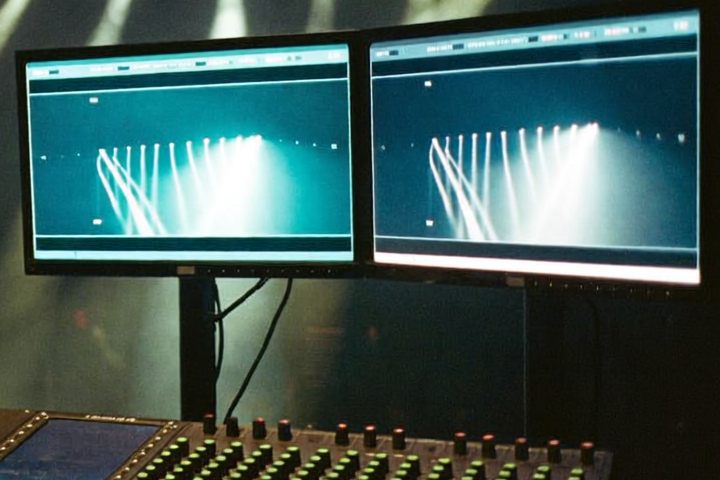
    Two monitors at a lighting console showing a preview of the light show, planned before it is built
    Sample image
  • On-site technical support

    For tours and festival set-ups: set-up, support during the show, strike. The people who planned it are in the room when it runs.

    • Set-up and strike
    • Support during the show
    • Tours and festival set-ups
    Crew in black work clothes at open flight cases on a stage during load-in, lighting truss overhead
    Sample image

From briefing to show

Six steps, in the order they happen. Scroll through them: the 3D view shows what is standing on the stage at each step, and the light changes with the work.

  1. 1Briefing and requirements

    You tell us what the show needs: format, venue, dates and the technical requirements of the artist. We ask for what is still missing.

    You get a clear list of requirements and open questions.

  2. 2Planning and coordination

    The briefing becomes a technical plan and a schedule. We agree both with production, artist team and venue before anything is packed.

    You get plan, schedule and contacts in one production file.

  3. 3Delivery and load-in

    Equipment and crew arrive in the agreed slot. Light and sound go up in the planned order, side by side with the local crews.

    You get everything in place before the soundcheck starts.

  4. 4Soundcheck and light programming

    The sound system is tuned in the room. Every fixture is checked, the light looks are programmed and cued with the artist's team.

    You get a show that has been tested in the room it plays in.

  5. 5Support during the show

    We stay on site and run light and sound with the artist's team. If something fails, the people who know the system are already there.

    You get one technical contact until the last note.

  6. 6Strike and moving on

    Equipment comes down in the agreed order and is packed. The plan for the next stop is ready when the last case leaves.

    You get a clean hand-over and a prepared next stop.

Real-time 3D scene of an example stage, not a real venue or project.

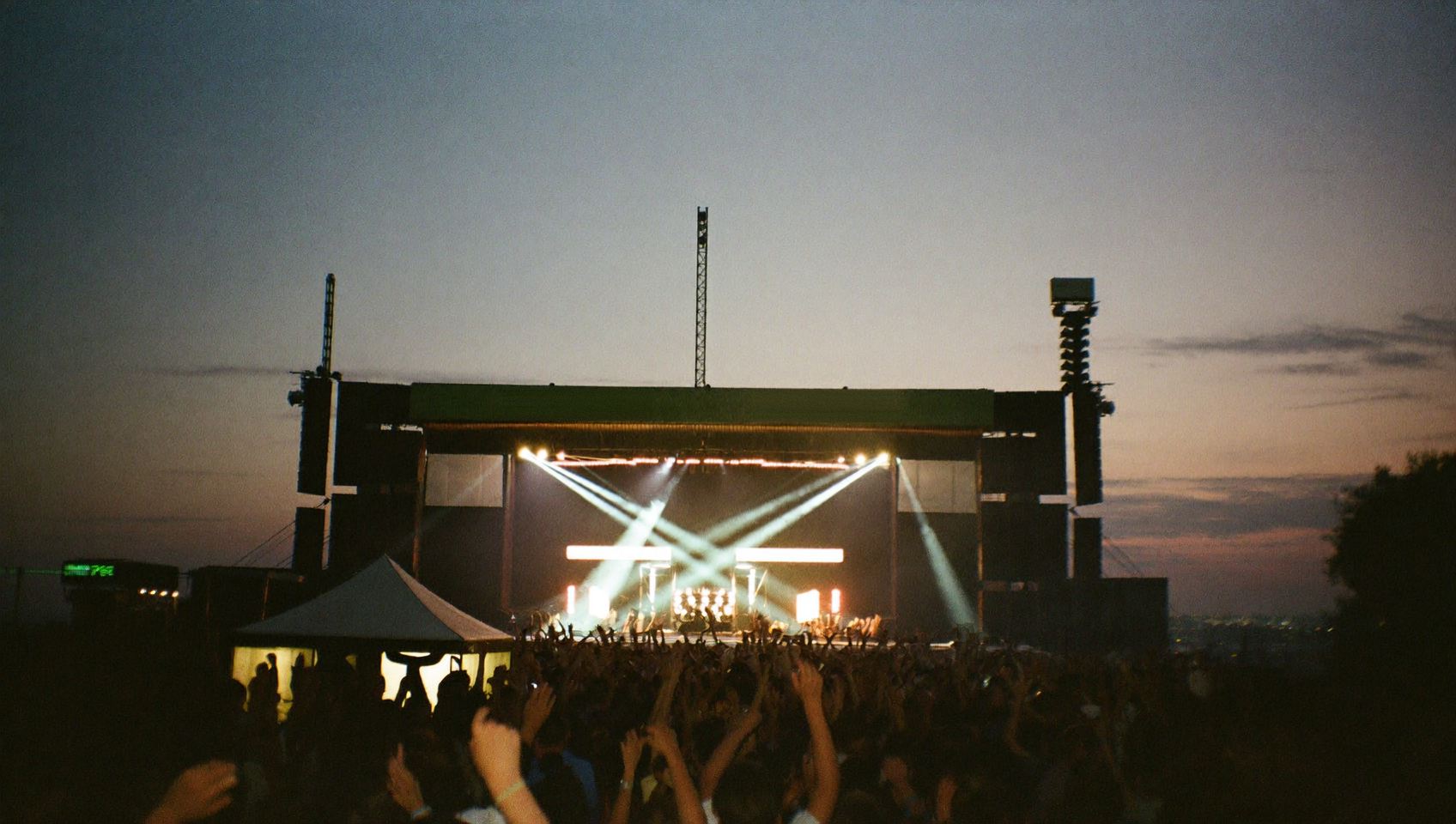
Outdoor festival stage at dusk seen from the back of the crowd, light beams crossing over a field of raised hands
Sample image, AI-generated

Three formats, three ways of planning

Concerts
One night, one room. The plan follows the venue: its access, its load-in slot, its curfew. We settle these points before the day, not on it.
Tour productions
The same show in a new room every day. We keep the production file stable and adapt plan and schedule to each stop.
Festivals
Many acts and short changeovers. We plan the technical flow of the whole day with the festival's production team and the other trades on site.

Other formats on request. We tell you plainly if they are not our field.

One contact. Clear hand-offs.

A production has many parties, and each one decides something different. We write down early who decides what and what we hand over to whom. That is what keeps a show day calm.

Example split, adapted for each production.

Who decides what, and what we hand over
PartyDecidesWe hand over
Promoter, production managementDates, budget, scheduleTechnical plan and schedule for approval
Artist teamCreative direction, rider, show requirementsConcept proposals for light and sound, time to program
VenueAccess, house rules, curfew, local contactLoad-in plan and requirements, early
Local crews and tradesTheir own trades on siteBriefing and clear interfaces
Muster LiveLight, sound, planning, technical supportOne contact for all of it

Who you deal with

  • Production lead your single contact, before and during the show
  • Lighting designer and programmer looks, programming, operation
  • Sound system engineer system concept, tuning, support
  • Crew chief on site set-up, show, strike

Example roles. The real team is added here.

Projects

This is where real productions go: format, scope, what had to be solved. Logos and artist names only appear with the client's clearance.

Sample sheet. No real project yet.

Format
[Concert, tour or festival]
Venue size
[Confirmed figure from the project]
Our scope
[Lighting, sound, planning, on-site support]
What had to be solved
[One concrete problem and how it was handled]
Clearance
[Client and artist named: yes or no]

The same plan at every stop

Working internationally means other venues, other crews, other schedules and time zones. The production itself stays the same, so the preparation has to be the same too.

  • One production file with plan, schedule and contacts, shared before the first stop.
  • Local crews and the venue are briefed before we arrive.
  • Load-in and show times are agreed early, in writing.
Stop 1 Stop 2 Stop 3 Stop 4

Schematic. No real route, no real countries.

A show day, as we write it down

Example day sheet
TimeBlock
08:00Load-in, with local crew
13:00Sound system tuned, lights programmed
16:00Soundcheck with the artist's team
19:30Doors
21:00Show
23:30Strike, packing, hand-over

Example times. Every production gets its own.

Discuss a production

Tell us the basics. You do not need a finished rider or a plan. We ask for the rest.

  1. You send the form. You see a confirmation on screen.
  2. We read your request and answer by email, with questions or a proposal for a call.
  3. We agree the next step together. No commitment before that.

Prefer to talk? +00 000 000 0000 or demo@example.com (example data)

What do you need?